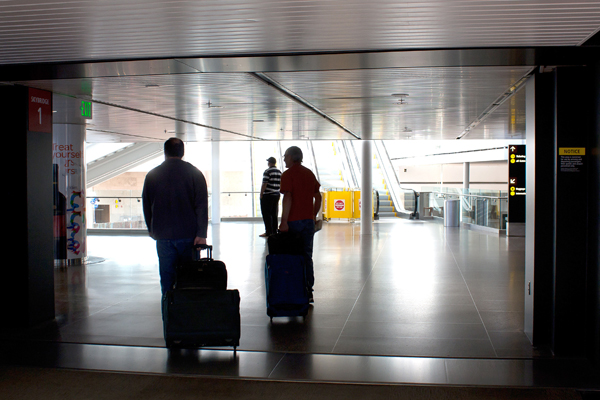
 A new destination can make life feel different. Familiar worries seem farther away, daily responsibilities fade into the background, and the excitement of discovering somewhere new offers a welcome sense of possibility. However, when every trip feels like the only way to feel better, travel may be serving a deeper emotional purpose. For some people, the constant need to leave can become a way to avoid anxiety, loneliness, unresolved pain, or other mental health challenges. Understanding the emotional pull of travel addiction is an important step toward developing healthier coping strategies and building a life that feels fulfilling at home, too.
Travel itself is not a problem. Exploring new places can support personal growth, strengthen relationships, and create lasting memories. The concern arises when traveling becomes difficult to control or feels necessary to escape uncomfortable emotions. Although travel addiction is not a formal clinical diagnosis, compulsive travel can describe a pattern in which a person increasingly relies on movement and novelty to manage emotional distress.
Why Every New Trip Can Feel Like a Fresh Start
The appeal of a fresh start is understandable. A new environment can interrupt familiar routines, provide temporary distance from stressful situations, and create opportunities to experience something different. For someone who feels overwhelmed by everyday life, these changes can offer immediate relief.
However, the emotional benefits of travel may not last if the underlying concerns remain unaddressed.
The Temporary Relief of Escaping Everyday Stress
When life feels difficult, planning a trip can provide something positive to anticipate. Researching destinations, booking accommodations, and imagining new experiences can shift attention away from current problems.
Once the journey begins, unfamiliar surroundings may offer another distraction. The person has new places to explore, decisions to make, and experiences to enjoy.
The difficulty comes when this relief becomes the main way to manage stress. Instead of addressing a conflict, processing grief, or seeking help for anxiety, someone may begin planning another trip whenever discomfort appears.
Over time, the pattern can reinforce the belief that emotional relief is only available somewhere else.
The Appeal of Reinventing Yourself
Travel can also create a sense of freedom from personal expectations. Away from familiar people and responsibilities, someone may feel more confident, adventurous, independent, or relaxed.
These experiences can be positive. Yet problems may develop when a person believes they can only be their best self outside their normal environment.
For example, someone who struggles with low self-esteem may feel more comfortable meeting people while traveling because those interactions are separate from their usual life. When they return home, familiar insecurities may resurface.
The goal is not to dismiss the confidence travel can bring. Instead, it is to discover how to carry that confidence into everyday relationships, responsibilities, and personal decisions.
When Travel Becomes an Emotional Coping Mechanism
Healthy coping strategies help people respond to challenges without creating additional problems. Travel can be one such strategy when it is planned thoughtfully and fits within a balanced life. However, relying on constant movement to escape difficult emotions can make those emotions harder to understand and manage.
Several patterns may indicate that travel is becoming an unhealthy coping mechanism.
Feeling Restless Whenever You Are at Home
Do you feel unusually anxious, bored, or trapped when you are not planning your next trip? Does ordinary life seem disappointing compared with the excitement of being somewhere new?
These feelings may indicate that familiar surroundings have become associated with discomfort. Instead of allowing yourself to experience and understand that discomfort, you may feel compelled to change your location.
Pay attention to how you respond to quiet periods. Feeling restless occasionally is normal, but persistent distress whenever travel is not possible deserves closer attention.
Using Travel to Avoid Difficult Emotions
Some people notice that their strongest urge to travel appears after an argument, a stressful workday, a personal disappointment, or a period of loneliness.
In these moments, leaving may seem easier than addressing the source of the distress. A trip can provide temporary distance, but it cannot automatically resolve unresolved conflict, emotional wounds, or persistent mental health concerns.
Ask yourself what you hope a particular trip will change. If the main goal is to stop feeling anxious, lonely, or unhappy, consider whether those feelings need direct attention and support.
Struggling With the Return Home
Another warning sign is feeling disappointed or emotionally unsettled shortly after returning from a trip.
You may immediately begin searching for another destination because ordinary life feels difficult to face. You might also neglect financial responsibilities, relationships, work, or recovery commitments to keep traveling.
When these patterns repeatedly interfere with daily functioning, it may help to explore the emotional role that travel plays in your life.
The Connection Between Travel Addiction and Mental Health
Compulsive travel can sometimes overlap with underlying mental health challenges. It is important not to assume that frequent travel automatically indicates a psychological problem. Instead, consider whether your travel habits are connected to persistent distress or interfere with your ability to function.
Anxiety and the Need to Get Away
Anxiety can make familiar responsibilities feel overwhelming. Travel may provide a temporary distraction from worrying thoughts, especially when a new environment demands attention.
However, avoiding anxiety triggers can sometimes strengthen the belief that those situations are impossible to manage. The relief that follows escape may encourage the same response the next time anxiety appears.
Mental health treatment can help individuals understand their anxiety, identify triggers, and develop practical skills for responding to uncertainty and stress.
Depression, Loneliness, and Emotional Disconnection
When someone feels emotionally numb or disconnected, new experiences may offer a temporary sense of excitement. A busy itinerary and unfamiliar surroundings can make it easier to focus on external stimulation rather than internal distress.
Nevertheless, persistent sadness, loss of interest, hopelessness, or loneliness may remain after the trip ends.
If these feelings continue, professional assessment can help determine whether depression or another mental health concern may be contributing to the pattern. Supportive relationships, appropriate treatment, and consistent daily habits can help address the underlying difficulties.
Unresolved Trauma and Avoidance
Past traumatic experiences can affect how people respond to familiar places, relationships, and situations. For some individuals, leaving provides a temporary feeling of distance from painful memories or reminders.
Although creating physical distance from an unsafe environment may sometimes be necessary, constantly moving to avoid emotional pain can make it difficult to process experiences and develop a lasting sense of safety.
Trauma informed care can help people explore these experiences at a manageable pace while developing coping skills that support emotional stability.
How Compulsive Travel Can Affect Addiction Recovery
For individuals receiving addiction treatment, compulsive travel may create additional challenges if it repeatedly interrupts routines or becomes another way to avoid emotional discomfort.
Recovery involves understanding triggers, developing healthier responses to stress, and establishing habits that support long term well-being. If travel consistently takes priority over these needs, progress may become more difficult to maintain.
For example, frequent travel may interrupt therapy appointments, recovery meetings, medication routines, or supportive relationships. It can also make it harder to recognize emotional warning signs that could increase the risk of returning to harmful coping behaviors.
Travel does not have to be excluded from recovery. Instead, it helps to approach it intentionally and consider whether each trip supports your treatment goals.
If you are in recovery, discuss significant travel plans with your treatment team when they could affect your care. Together, you can identify ways to maintain your support network, protect healthy routines, and prepare for stressful situations while away.
Practical Ways to Build Emotional Stability Without Constant Travel
Recognizing an unhealthy pattern is an important beginning. The next step is learning how to respond to emotional discomfort without automatically seeking a new destination.
Pause Before Booking Your Next Trip
When you feel an urgent need to leave, give yourself time to understand the feeling behind it.
Ask yourself:
- What has been happening in my life recently?
- Am I trying to escape a particular emotion or situation?
- What do I expect this trip to solve?
- Could I address this concern in another way?
- Would this trip support my responsibilities, relationships, and recovery goals?
You do not need to cancel every trip or criticize yourself for wanting a change of scenery. The purpose of this reflection is to make your decision more intentional.
Develop Coping Skills for Everyday Stress
Build a short list of strategies you can use when the urge to escape becomes strong. Depending on your needs, these might include journaling, walking outdoors, practicing mindfulness, contacting a trusted person, or breaking a difficult task into smaller steps.
Regular sleep, balanced nutrition, physical activity, and consistent social contact can also support emotional well-being.
Start with a few manageable habits. The objective is to develop reliable ways to respond to stress, not to create another demanding routine.
Strengthen Your Sense of Connection at Home
A meaningful daily life includes more than work and responsibilities. Make time for relationships, interests, community activities, and experiences that provide genuine enjoyment.
If you enjoy discovering new places, explore your local area or plan occasional trips that fit comfortably within your budget and commitments. If travel helps you feel independent, identify other ways to make choices that reflect your values.
For those who find comfort in spirituality, prayer, reflection, or faith communities may provide an additional source of connection and purpose.
These activities are not substitutes for professional care when it is needed. However, they can complement treatment and help create a stronger foundation for emotional health.
How Individualized Treatment Can Support Lasting Change
When the urge to travel feels difficult to control or is affecting your mental health, relationships, finances, or addiction recovery, professional support can help you understand what is happening.
At Rooms Cesme, individualized addiction recovery services and mental health treatment recognize that each person’s experiences and needs are different. Rather than focusing only on visible behaviors, effective care can explore the emotional challenges and coping patterns that may contribute to them.
Depending on an individual’s circumstances, inpatient or outpatient care may provide an appropriate level of structure and support. Treatment may involve therapeutic approaches, emotional regulation skills, relapse prevention planning, and strategies for developing healthier relationships and daily routines.
Holistic approaches can also consider the connection between physical health, emotional well-being, personal values, and meaningful daily activities. For people who find faith important to their recovery, faith-based support may offer an additional source of strength and purpose.
There is no single treatment plan that suits everyone. A qualified professional can help assess your needs and identify appropriate next steps.
Find a Fresh Start That Lasts
Wanting a fresh start is not a weakness. It may reflect a genuine desire for change, relief, or a more fulfilling life. However, when every trip feels necessary to escape your emotions, it is worth looking beyond the destination and asking what you need in order to feel better.
You can enjoy travel while learning to manage stress, face difficult emotions, and feel connected to your everyday life. With consistent coping strategies, supportive relationships, and appropriate treatment, it is possible to develop a sense of stability that does not depend on constantly moving somewhere new.
If compulsive travel is affecting your mental health or making addiction recovery more difficult, consider reaching out for professional support. Rooms Cesme can help you explore the role emotional patterns play in your well-being and identify care suited to your individual circumstances.
Your next fresh start does not have to begin with a plane ticket. It can begin with understanding yourself, asking for help, and taking one practical step toward a healthier life.