
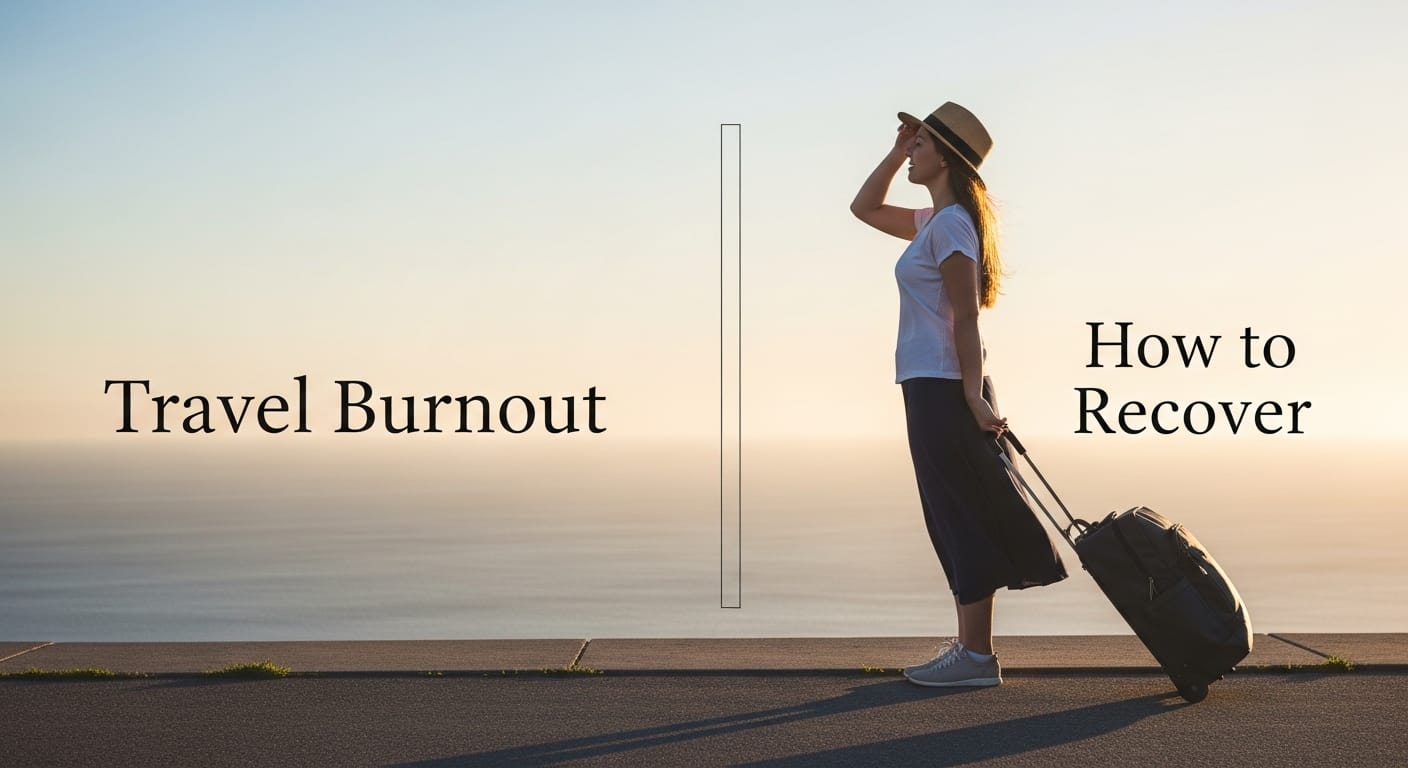
 Travel can bring excitement, freedom, and a welcome change of perspective. However, when leaving home becomes the main way to cope with anxiety, loneliness, stress, or emotional pain, it may be time to examine the relationship between travel and mental health. For people working toward addiction recovery, learning to feel comfortable at home again can be an important part of building emotional stability. The goal is not to give up travel, but to develop a life that feels meaningful and manageable even when there is nowhere new to go.
Compulsive travel is not a formal clinical diagnosis, but the term can describe a pattern in which someone feels a persistent need to travel to escape uncomfortable emotions or difficult circumstances. Understanding this pattern can help individuals recognize what drives their restlessness and take practical steps toward lasting recovery.
Why Coming Home Can Feel So Difficult
For some people, returning home after a trip brings a sense of disappointment, anxiety, or emptiness. The excitement of exploring a new place fades, everyday responsibilities return, and unresolved concerns become harder to ignore.
This experience does not automatically mean that travel has become unhealthy. However, if the urge to leave again appears almost immediately, it may be useful to consider what makes everyday life feel difficult to tolerate.
The Emotional Relief of a New Destination
A new destination offers plenty to focus on. Planning activities, exploring unfamiliar surroundings, meeting people, and experiencing different cultures can temporarily redirect attention away from distressing thoughts.
That relief can feel genuine. Yet temporary distraction does not necessarily resolve the feelings that existed before the trip.
For example, someone struggling with anxiety may feel calmer while exploring a new city. However, if the underlying anxiety remains unaddressed, the same worries may return upon arriving home. Another trip can then seem like the easiest solution.
Over time, this pattern can reinforce the belief that emotional comfort is only possible somewhere else.
When Home Becomes Associated With Stress
Home is not always a peaceful place. Relationship conflict, work pressure, family difficulties, grief, financial worries, or painful memories can make familiar surroundings emotionally challenging.
For someone dealing with unresolved trauma or mental health concerns, leaving may feel easier than confronting what is happening internally or in their environment.
Recognizing these experiences is important. The answer is not necessarily to force yourself to stay in an unhealthy situation. Instead, the goal is to understand what needs attention, identify appropriate support, and develop healthier ways to respond to emotional discomfort.
How Compulsive Travel Can Affect Addiction Recovery
Addiction recovery involves more than stopping substance use or changing a harmful behavior. It also requires developing coping skills, understanding emotional triggers, building supportive relationships, and creating routines that promote long term well-being.
When travel becomes a primary method of avoiding difficult feelings, it can interfere with several aspects of this process.
Disrupted Routines and Treatment
Consistency can provide an important foundation for recovery. Regular sleep, balanced meals, physical activity, therapy appointments, medication routines when applicable, and supportive social connections can all contribute to emotional stability.
Frequent, unplanned travel may make these habits harder to maintain. It can also interfere with outpatient treatment, counseling sessions, recovery meetings, or other commitments.
Travel itself is not incompatible with recovery. The concern is whether the pattern supports your treatment goals or repeatedly pulls you away from the support you need.
Avoiding the Emotions Behind Unhealthy Coping
Sometimes, the urge to travel becomes strongest when difficult emotions appear. A disagreement may lead to an immediate desire to leave. A stressful day may trigger hours of trip planning. Feelings of loneliness may create an overwhelming need to find somewhere new to visit.
These reactions can make sense when viewed as attempts to find relief. However, recovery often involves learning to recognize emotions without automatically reacting to them.
If every uncomfortable feeling leads to an escape, it becomes harder to discover what those feelings mean and how to respond constructively.
Losing Opportunities for Connection
Lasting recovery often depends on relationships built through trust, consistency, and mutual support. Constantly moving between destinations can make it harder to maintain those connections.
You may meet interesting people while traveling, but meaningful support also comes from people who know you over time and can offer help when life becomes difficult.
Rebuilding those relationships can help home feel less isolating and make everyday life more rewarding.
Practical Ways to Feel More Comfortable at Home
Learning to feel at home again rarely happens overnight. If you have relied on travel to manage emotional discomfort, slowing down may initially feel unfamiliar. Start with manageable changes rather than expecting yourself to feel completely comfortable right away.
1. Identify What Triggers the Urge to Leave
Before booking another trip, pause and consider what you are experiencing.
Ask yourself:
- What happened just before I wanted to travel?
- Am I feeling anxious, lonely, frustrated, sad, or overwhelmed?
- Is there a problem I am hoping to avoid?
- What do I expect this trip to change?
- Is there another way to meet the emotional need I am experiencing?
Writing down your answers can help you identify recurring patterns. For instance, you might notice that the urge to travel frequently follows conflict, periods of isolation, or demanding workdays.
Once you understand the triggers, you can begin responding to them more intentionally.
2. Create a Daily Routine That Supports Recovery
A predictable routine can make ordinary life feel more manageable. It also creates opportunities to experience satisfaction without relying on constant novelty.
Consider establishing a few consistent habits:
- Wake up and go to bed at reasonably consistent times.
- Make time for regular meals and physical activity.
- Schedule activities that bring enjoyment or a sense of purpose.
- Maintain therapy appointments and recovery commitments.
- Set aside time to connect with supportive friends or family members.
- Include quiet activities that help you relax.
You do not need to fill every hour with tasks. In fact, learning to enjoy unstructured time may be an important part of developing a healthier relationship with yourself.
Choose habits that fit your needs and current stage of recovery. Small, sustainable changes are often more useful than an ambitious routine that quickly becomes overwhelming.
3. Practice Staying Present With Difficult Feelings
When you are accustomed to escaping discomfort, quiet moments may bring anxiety or restlessness to the surface. Instead of judging yourself for these reactions, try acknowledging them with curiosity.
For example, spend five minutes journaling, take a slow walk around your neighborhood, or sit quietly while noticing your breathing. If an uncomfortable feeling appears, name it without immediately trying to make it disappear.
You might tell yourself, “I am feeling anxious right now, and I can take a moment to understand why.”
This practice does not mean forcing yourself to endure overwhelming distress. If certain feelings become difficult to manage, a qualified mental health professional can help you develop appropriate coping strategies at a pace that feels safe.
4. Find Meaning Beyond Travel
Travel may provide excitement, discovery, independence, or connection. When you reduce compulsive travel, it helps to identify other ways to meet those needs.
If you value discovery, try learning a new skill or exploring local cultural activities. If travel provides connection, make time for friendships, family relationships, or community involvement. If it offers freedom from routine, introduce enjoyable changes into your ordinary week.
You might also explore creative interests, volunteering, time in nature, mindfulness, or spiritual practices if they align with your beliefs.
The purpose is not to replace every trip with another activity. It is to build a life with enough sources of meaning that travel no longer carries the responsibility of making you feel okay.
5. Make Travel an Intentional Choice
You do not have to stop traveling to recover from compulsive patterns. Instead, work toward making travel a decision based on genuine interest rather than an urgent need to escape.
Before arranging a trip, consider your emotional state, finances, responsibilities, and recovery commitments. If you are receiving treatment, discuss travel plans with your care team when they may affect your progress.
You can still enjoy new destinations while learning to address difficult emotions directly. Over time, travel can become a rewarding part of a balanced life rather than your primary response to stress.
How Individualized Mental Health Treatment Can Help
Compulsive travel may be connected to anxiety, depression, unresolved trauma, grief, loneliness, substance use concerns, or other emotional challenges. Since each person’s circumstances are different, understanding the underlying causes is essential.
Rooms Cesme offers addiction recovery services and mental health treatment that consider the individual rather than focusing solely on a particular behavior. Inpatient and outpatient care can provide different levels of structure and support, depending on a person’s needs and treatment goals.
Addressing the Underlying Causes
Professional treatment can help individuals recognize emotional triggers, understand avoidance patterns, and develop healthier responses to stress. Depending on the person’s circumstances, care may include therapeutic support, relapse prevention planning, emotional regulation skills, and strategies for strengthening relationships.
Holistic approaches may also support recovery by considering physical health, emotional wellness, daily habits, and personal values. For those who find meaning in spirituality, faith-based support may provide an additional source of comfort, connection, and purpose.
The appropriate treatment plan depends on the individual’s needs, history, and goals. There is no single approach that works for everyone.
Building Confidence in Everyday Life
Recovery becomes more sustainable when individuals develop confidence in their ability to handle ordinary challenges.
This may involve learning how to manage conflict, tolerate uncertainty, set healthy boundaries, cope with loneliness, or ask for support before distress becomes overwhelming.
With appropriate guidance and consistent practice, everyday life can gradually feel less threatening. Home can become a place for connection, rest, personal growth, and stability rather than somewhere you feel compelled to escape.
Learning to Feel at Home Is Part of Healing
Breaking the cycle of compulsive travel does not mean giving up adventure or losing the freedom to explore the world. It means understanding why you feel the need to leave and learning to meet those emotional needs in healthier ways.
If coming home consistently brings anxiety, emptiness, or an urgent desire to escape, take those feelings seriously without blaming yourself. They may be signs that important emotional needs deserve attention.
Start by identifying your triggers, establishing supportive routines, strengthening relationships, and practicing healthier coping strategies. If these challenges are affecting your mental health or addiction recovery, professional support can help you understand the patterns involved and identify a treatment approach that fits your circumstances.
You deserve to feel a sense of peace and belonging in your everyday life, not only when you are somewhere new. With individualized addiction recovery and mental health support, you can work toward greater emotional stability, reconnect with what matters to you, and rediscover the value of being present. Reaching out for help can be the first step toward building a life that feels worth staying for, while keeping travel as a source of enjoyment rather than an escape.