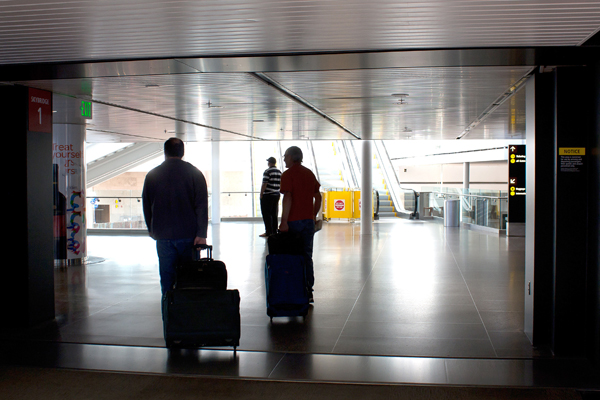
 Travel can bring excitement, perspective, connection, and a genuine sense of freedom. Exploring a new destination can be a healthy way to rest, experience different cultures, reconnect with loved ones, or step away from everyday responsibilities. But sometimes the desire to travel is about more than adventure. If you increasingly feel that you need to leave in order to feel calm, happy, or emotionally safe, your wanderlust may be serving as a coping mechanism. Recognizing the difference between healthy travel and compulsive travel can help you understand what your behavior may be saying about your mental health.
Travel addiction is not a formal clinical diagnosis. However, compulsive travel can describe a pattern in which a person feels driven to keep moving because travel temporarily relieves anxiety, stress, loneliness, emotional pain, or other forms of distress. The concern is not how many places you visit. It is whether travel remains a healthy choice or has become something you depend on to avoid feelings you do not know how to manage.
What Does Healthy Wanderlust Look Like?
A strong interest in travel is not automatically a problem. In fact, travel can contribute to a balanced and meaningful life.
Healthy travel generally leaves room for other important areas of life. You can enjoy being home, maintain relationships, meet your responsibilities, manage your finances, and cope with difficult emotions without immediately needing to plan your next trip.
Compulsive travel tends to feel different.
Instead of thinking, “I would love to go somewhere,” the thought may become, “I need to get away.”
That distinction matters.
When travel becomes the primary way you manage emotional discomfort, it may be useful to look at what is happening beneath the desire to keep moving.
7 Signs Travel May Be Becoming a Compulsive Coping Habit
The following signs do not mean that you have an addiction. They are signals worth considering, particularly when several appear together or begin interfering with your relationships, responsibilities, finances, mental health, or recovery.
1. You Feel Uncomfortable Whenever You Are Home
One of the clearest warning signs is difficulty feeling settled in your own environment.
You may feel restless as soon as a trip ends. Home may seem boring, restrictive, lonely, or emotionally uncomfortable. Instead of enjoying time to recover from a trip, you immediately start thinking about where you can go next.
Ask yourself whether you are actually craving travel or trying to escape the feelings that appear when there is nowhere else to go.
Sometimes stillness creates space for emotions that constant activity keeps hidden.
2. You Plan Trips Whenever Life Becomes Difficult
Everyone experiences stressful periods. Taking a vacation after a demanding season can be healthy.
The concern arises when leaving becomes your automatic response to emotional discomfort.
An argument with your partner may lead to thoughts of booking a flight. A difficult week at work may make you want to disappear for a few days. A painful memory may trigger an immediate desire to change your surroundings.
If every uncomfortable situation creates the urge to travel, consider whether travel has become your primary coping strategy.
Look at What Happens Before the Urge
Try keeping a simple journal for a few weeks. Whenever you feel an intense desire to leave, write down what happened beforehand.
You may begin noticing patterns involving anxiety, conflict, loneliness, exhaustion, grief, or other emotional triggers.
That awareness can be an important first step toward healthier coping.
3. You Feel Anxious When You Do Not Have a Trip Planned
Healthy anticipation can make travel exciting. However, there is a difference between looking forward to a vacation and feeling distressed because nothing is scheduled.
If an empty calendar makes you anxious, you may find yourself constantly researching destinations, checking flights, comparing hotels, or creating elaborate itineraries simply to feel better.
The planning itself can become a source of emotional relief.
New possibilities give your attention somewhere else to go. For a while, you may feel hopeful and energized. Yet if that feeling disappears as soon as the planning stops, it may be worth exploring why you depend so heavily on the next trip to feel emotionally secure.
4. Travel Helps You Avoid Difficult Emotions
Emotional avoidance is a common reason people develop unhealthy coping patterns.
You might travel to avoid grief. You might stay busy because slowing down brings anxiety to the surface. You might leave after a relationship conflict because confronting the issue feels too painful.
Travel can provide a powerful distraction because it fills your attention with new experiences.
There are places to see, schedules to manage, people to meet, and activities to anticipate. That stimulation can make difficult emotions temporarily less noticeable.
However, the emotion has not necessarily disappeared.
When the trip ends, the same grief, anxiety, anger, or loneliness may still be waiting.
5. You Keep Spending More Than You Can Comfortably Afford
Travel can become financially stressful when the emotional need to get away becomes stronger than practical considerations.
You may book trips you cannot comfortably afford because the immediate relief feels more important than future consequences. Credit card balances, missed financial goals, or neglected responsibilities may become secondary concerns.
This does not mean every expensive trip is a sign of compulsive behavior. The important issue is whether you repeatedly make financial decisions because you feel emotionally unable to stay home.
Financial consequences can then create additional stress, which may lead to an even stronger desire to escape.
That creates a difficult cycle.
6. Your Relationships and Responsibilities Are Being Affected
Travel should ideally add to your life rather than consistently take away from it.
If frequent travel causes you to miss important family events, withdraw from loved ones, neglect work responsibilities, or repeatedly cancel commitments, it may be time to examine the pattern.
Constant movement can also make it difficult to build stable relationships.
Meaningful relationships require time, consistency, communication, and trust. If you are always preparing to leave, you may unintentionally create emotional distance from the people who could provide meaningful support.
For individuals in addiction recovery, the impact can be even more significant. A constantly changing schedule may make it harder to attend therapy, participate in support groups, maintain healthy routines, or stay connected to a recovery community.
7. You Feel Empty or Distressed When the Trip Ends
A healthy vacation can leave you refreshed, grateful, and ready to return to daily life.
If you instead experience a sharp emotional drop after every trip, pay attention to that pattern.
You may feel sad, anxious, restless, or even desperate to plan another trip before you have unpacked from the last one.
The issue may not be that the vacation was too short. It may be that travel has become one of the primary sources of emotional stimulation or relief in your life.
When everyday life feels flat compared with being somewhere new, it is worth asking what might be missing at home.
Why Can Travel Become Such a Powerful Coping Mechanism?
Travel changes your environment quickly. That change can be emotionally appealing when your current circumstances feel difficult.
New experiences also capture attention. Instead of thinking about unresolved problems, you may be focused on directions, activities, restaurants, sights, conversations, and plans.
For someone dealing with anxiety or emotional distress, that temporary shift can feel like relief.
The problem is not the relief itself. The problem develops when relief becomes dependent on leaving.
If you never develop other ways to manage difficult emotions, you may become increasingly reliant on travel whenever life feels uncomfortable.
What Might Compulsive Travel Be Hiding?
There is no single reason why someone may feel compelled to keep moving. Different emotional challenges can contribute to the pattern.
Anxiety and Chronic Stress
Anxiety can make everyday responsibilities feel overwhelming. Travel can temporarily interrupt worrying and provide something concrete to focus on.
However, when the trip ends, the anxiety may return.
Learning healthier strategies for managing anxiety can reduce the need to escape whenever stress increases.
Unresolved Trauma
Familiar environments sometimes bring painful memories or emotional reactions to the surface. A new destination can create a temporary sense of distance.
Yet physical distance does not necessarily resolve emotional wounds.
Trauma informed professional care can help individuals understand their emotional responses and develop safer, healthier ways to process difficult experiences.
Loneliness
Travel can create immediate social interaction, but frequent movement does not always create lasting connection.
If you feel connected while traveling but deeply lonely when you return home, the deeper issue may be a need for stable relationships and meaningful support.
Burnout
When daily life feels exhausting, escaping can seem like the only solution.
A genuine break can help. However, if you need another vacation almost immediately after returning, it may be worth examining whether the underlying problem is burnout, an unhealthy routine, unrealistic demands, or another unresolved concern.
How Can You Tell Whether Your Wanderlust Is Healthy?
A useful way to evaluate your travel habits is to focus on choice, consequences, and emotional motivation.
Ask yourself:
Am I choosing to travel, or do I feel that I have to travel?
Can I enjoy my life when I am not traveling?
What emotions appear when I stay home?
Do I travel toward something meaningful, or away from something painful?
Has travel affected my relationships, finances, work, or recovery?
Do I have other healthy ways to cope when I feel stressed or overwhelmed?
Your answers can provide valuable information.
You do not need to label yourself or make a diagnosis. Instead, use these questions to identify patterns that may deserve further attention.
How to Develop Healthier Coping Habits
If you recognize yourself in these signs, you do not necessarily need to stop traveling.
Instead, work toward expanding the ways you manage difficult emotions.
Pause Before Booking
When you feel an urgent need to leave, give yourself time to identify what is happening emotionally.
Ask what triggered the urge and what you expect the trip to accomplish.
Sometimes simply creating a pause between an emotional trigger and a decision can help you make a more intentional choice.
Build a Life That Feels Meaningful at Home
Create routines and relationships that give everyday life purpose.
Spend time with people who support you. Develop hobbies. Exercise regularly. Practice mindfulness. Spend time in nature. Make room for prayer or spiritual practices if they are meaningful to you.
The goal is not to make every day exciting. It is to make ordinary life feel worth being present for.
Develop Multiple Coping Strategies
Travel should be one part of your life, not your entire emotional toolkit.
Other strategies may include:
- Therapy or counseling
- Journaling
- Exercise
- Mindfulness
- Prayer or spiritual practices
- Creative activities
- Support groups
- Meaningful time with loved ones
- Healthy sleep and daily routines
- Spending time outdoors
Having multiple coping tools gives you options when stress or emotional pain appears.
When Professional Support May Be Helpful
If compulsive travel is connected to anxiety, addiction, trauma, depression, chronic stress, or another mental health concern, professional support can help you address the underlying issue.
Rooms Cesme takes an individualized approach to addiction recovery and mental health treatment, recognizing that unhealthy coping behaviors can have different causes for different people. Its services include inpatient and outpatient care, along with holistic and faith based approaches that consider emotional, physical, and spiritual well-being.
Treatment can help you identify emotional triggers, understand patterns of avoidance, strengthen coping skills, and develop greater resilience.
The goal is not simply to take something away from you.
It is to help you build a healthier relationship with yourself and your life so that travel can remain something you enjoy rather than something you need to escape.
You Can Love Travel Without Depending on It
There is nothing wrong with loving adventure.
You can enjoy airports, road trips, unfamiliar cities, beaches, mountains, different cultures, and spontaneous experiences. Travel can be one of the most rewarding parts of life.
The important thing is maintaining balance.
If you can travel because you want to explore while still feeling comfortable enough to remain present at home, your wanderlust may simply be part of who you are.
But if you constantly need another destination to feel okay, your travel habits may be communicating something deeper.
Instead of judging yourself, become curious about that message.
What are you feeling? What are you avoiding? What do you need that another destination cannot provide?
Those questions can open the door to meaningful emotional growth.
Conclusion
Healthy wanderlust is about exploration, enjoyment, and choice. Compulsive travel is different. It may involve an intense need to keep moving because staying still brings anxiety, stress, loneliness, painful memories, or other uncomfortable emotions to the surface.
The seven signs discussed here are not a diagnosis. They are opportunities for honest self reflection. If travel is affecting your finances, relationships, responsibilities, emotional stability, or recovery, it may be time to look beyond the next destination.
You do not have to give up something you love to take care of your mental health. With the right support, you can learn healthier ways to manage stress, process difficult emotions, strengthen relationships, and feel more comfortable in your everyday life.
Individualized addiction recovery and mental health treatment can help you understand what may be driving compulsive coping patterns and develop practical strategies for lasting emotional wellness.
The goal is not to stop exploring the world. It is to reach a place where you can explore because you genuinely want to, not because you are trying to escape what you feel.