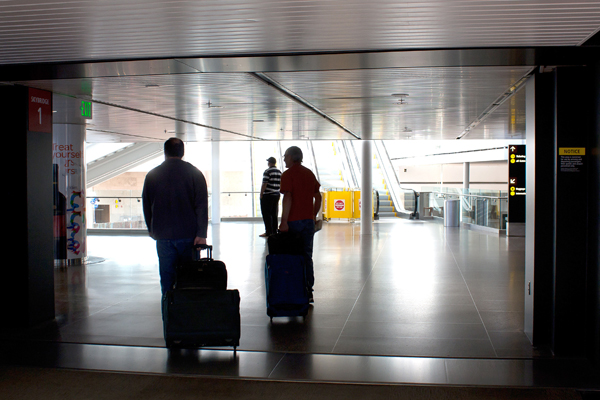

Travel can be a wonderful part of a healthy and fulfilling life. New places can provide adventure, perspective, connection, and a welcome break from everyday responsibilities. But what happens when the next destination starts to feel less like a choice and more like a necessity? For some people, constant travel can become a way of managing anxiety, stress, loneliness, unresolved trauma, or emotional pain. The trip may provide temporary relief, but once the excitement fades, the feelings that were left behind can return.
Travel addiction is not a formal clinical diagnosis. However, the term can describe a compulsive pattern in which a person feels an increasingly strong need to travel, especially when movement becomes a primary way of coping with emotional discomfort. Understanding what may be happening beneath the desire to keep moving can be an important step toward healthier coping and meaningful recovery.
When Travel Becomes More Than a Love of Adventure
There is nothing inherently unhealthy about traveling frequently. Some people travel for work, family, cultural experiences, personal interests, or simple enjoyment. The number of trips someone takes does not determine whether their relationship with travel is healthy.
Instead, consider the role travel plays in your emotional life.
Healthy travel generally fits into a balanced lifestyle. You can enjoy being home, maintain relationships, manage responsibilities, and experience difficult emotions without immediately needing to leave.
Compulsive travel can look different.
You may begin thinking about your next trip whenever something goes wrong. A stressful day creates an urge to get away. A relationship conflict makes another destination seem appealing. Feelings of sadness or loneliness lead you to search for flights. Over time, the next trip may become something you depend on to feel emotionally better.
The Important Question Is Why You Need to Travel
Rather than asking only how often you travel, ask yourself why you feel the need to keep moving.
Consider these questions:
- Do I feel uncomfortable or anxious when I am home?
- Do I immediately start planning another trip after returning?
- Do I use travel to avoid difficult conversations or responsibilities?
- Do I feel emotionally low when I cannot travel?
- Does travel temporarily make me feel better, only for the same problems to return?
- Have my travel habits affected my finances, relationships, work, or recovery?
- Am I traveling because I genuinely want to explore, or because I want to escape how I feel?
These questions are not intended to create shame. They can help reveal patterns that deserve attention.
How Anxiety Can Fuel the Need to Keep Moving
Anxiety can make ordinary life feel unpredictable and overwhelming. When your mind is constantly anticipating problems, remaining in the same environment can sometimes feel exhausting.
Travel introduces something different to focus on.
You may become absorbed in planning flights, choosing accommodations, researching restaurants, creating an itinerary, or deciding what to see. That concentration can temporarily pull your attention away from anxious thoughts.
The relief can feel real.
However, temporary relief is not the same as resolving anxiety.
The Cycle of Anxiety and Travel
The pattern may look something like this:
- Anxiety or emotional stress begins to build.
- Staying home becomes increasingly uncomfortable.
- The person starts thinking about traveling.
- Planning a trip creates excitement and relief.
- The trip temporarily reduces emotional distress.
- The person returns home.
- The original anxiety comes back.
- Another trip begins to seem necessary.
When this cycle continues, travel may gradually become a coping mechanism rather than simply an enjoyable activity.
Professional mental health support can help individuals identify the thoughts, triggers, and emotional patterns contributing to anxiety instead of relying exclusively on escape.
Stress and Burnout Can Make Escape Feel Necessary
Modern life can place significant demands on people. Work pressures, family responsibilities, financial concerns, relationship difficulties, and constant digital stimulation can all contribute to chronic stress.
Taking a vacation can be a healthy response to stress. Time away can provide genuine rest and perspective.
The concern develops when getting away becomes the only way you can tolerate your life.
When Rest Does Not Address the Source
If every return from vacation is followed by an immediate desire to leave again, it may be useful to ask what makes everyday life feel so difficult.
Perhaps your workload is unsustainable. Maybe you have unresolved conflict in a relationship. You could be experiencing emotional exhaustion or struggling with anxiety that has never been addressed.
A destination can provide distance from those circumstances, but it cannot necessarily change them.
Long term emotional wellness often requires identifying the source of stress and learning practical ways to respond to it.
Emotional Pain Can Hide Beneath Constant Movement
Sometimes travel becomes a distraction from feelings that are difficult to face.
A person may not consciously think, “I am traveling because I am emotionally hurting.” Instead, they may simply experience a powerful urge to get away whenever uncomfortable emotions appear.
This can happen with many forms of emotional pain.
Unresolved Trauma
Past experiences can continue to affect how a person responds to familiar places, relationships, quiet moments, and emotional closeness.
Travel may create physical distance from reminders of painful experiences. A new environment can feel like a fresh start.
However, changing locations does not necessarily change the emotional impact of what happened.
Trauma informed mental health treatment can provide a structured and supportive environment for understanding difficult experiences and developing healthier ways to respond to emotional triggers.
Grief and Loss
Grief can be difficult to escape because reminders may exist almost everywhere.
For someone struggling with loss, constant activity can provide a temporary distraction. New destinations may make it easier to avoid quiet moments when sadness becomes more noticeable.
But grief needs space to be processed.
That does not mean someone has to stop living, traveling, or enjoying new experiences. It means finding a healthy balance between continuing life and allowing difficult emotions to be acknowledged.
Loneliness and Disconnection
Travel can temporarily reduce loneliness. Meeting new people, spending time in busy environments, and experiencing unfamiliar cultures can provide a powerful sense of connection.
Yet frequent movement can make lasting relationships more difficult to establish.
Meaningful connection usually requires consistency. If you are always preparing to leave, it may be harder to build relationships that provide support when life becomes difficult.
If travel repeatedly gives you temporary companionship but returning home leaves you feeling empty, the deeper need may be connection rather than another destination.
Why Novelty Can Feel So Powerful
One reason travel can become especially appealing is the excitement of novelty.
A new destination offers unfamiliar sights, sounds, foods, people, activities, and experiences. That stimulation naturally captures attention.
For someone experiencing emotional distress, novelty can also provide a welcome break from repetitive thoughts.
The Appeal of a Fresh Start
A new location can create the feeling that you are starting over.
For a short period, you may not have to think about the same responsibilities, expectations, or problems. You can focus on who you are in the moment rather than what has been troubling you.
There is nothing wrong with enjoying that feeling.
The concern arises when the fresh start becomes something you need repeatedly because you do not know how to feel okay in your ordinary environment.
Emotional healing involves gradually developing a sense of stability that does not depend entirely on external stimulation.
How Travel Addiction Can Affect Addiction Recovery
For someone already dealing with addiction or mental health challenges, compulsive travel can create additional obstacles.
Recovery requires more than changing one behavior. It involves understanding triggers, developing healthy coping strategies, strengthening relationships, and creating routines that support long term well-being.
Frequent Travel Can Disrupt Treatment
Constant movement may make it harder to attend therapy, counseling, support groups, or other recovery appointments.
If you are participating in inpatient or outpatient treatment, travel should be considered alongside your treatment goals and discussed with your care team when appropriate.
Emotional Work Can Be Avoided
Recovery often requires looking honestly at the experiences and emotions that contribute to unhealthy coping.
If every uncomfortable feeling leads to another trip, there may be fewer opportunities to understand what is happening beneath the surface.
Travel can provide a distraction, but distraction alone does not create lasting emotional change.
Healthy Routines Can Become Unstable
Sleep, nutrition, exercise, mindfulness, medication routines when applicable, spiritual practices, and supportive relationships can all contribute to recovery.
Frequent travel does not automatically interfere with these areas. However, compulsive or unpredictable travel can make consistency more difficult.
For someone working toward greater stability, that disruption may matter.
How to Tell What You Are Really Trying to Escape
You do not need to immediately stop traveling to explore these concerns.
Instead, start by becoming more aware of what happens before the urge to leave.
Pause Before Booking
When you feel a strong need to get away, pause for a moment.
Ask yourself:
What am I feeling right now?
Try to identify the emotion beneath the urge. It could be anxiety, sadness, anger, loneliness, frustration, boredom, or exhaustion.
What happened before I wanted to leave?
Think about what occurred immediately before the urge appeared. A difficult conversation, stressful workday, relationship problem, disappointing news, or painful memory may provide an important clue.
What do I expect this trip to fix?
Be honest about your expectations. If you are hoping travel will permanently eliminate anxiety or emotional pain, the trip may be carrying an unrealistic emotional burden.
What could I do instead?
Consider whether talking to someone, exercising, journaling, praying, spending time outdoors, practicing mindfulness, or contacting a mental health professional could help you respond differently.
Building Healthier Coping Skills
The goal is not to eliminate every uncomfortable emotion. Emotional wellness means developing healthier ways to experience and manage those emotions.
Create Stability at Home
Develop routines that give your everyday life structure and meaning.
That might include regular sleep, exercise, nutritious meals, time with supportive people, hobbies, spiritual practices, therapy, or quiet periods without constant stimulation.
The more fulfilling your life becomes at home, the less pressure travel needs to carry.
Practice Short Periods of Stillness
If being still makes you uncomfortable, start small.
Spend a few minutes sitting quietly. Take a walk without planning your next trip. Journal about what you are feeling. Have a meal without immediately reaching for your phone.
You may notice emotions that you normally distract yourself from.
That awareness is not a failure. It can be useful information.
Keep Travel Intentional
You can continue traveling while developing a healthier relationship with it.
Before a trip, consider whether your motivation is aligned with your values. Maybe you want to spend time with family, experience another culture, reconnect with nature, celebrate something meaningful, or simply rest.
Travel becomes more balanced when it is something you choose rather than something you feel compelled to use for emotional relief.
How Individualized Treatment Can Help
There is no single reason why someone may become dependent on constant movement. Anxiety, stress, trauma, grief, loneliness, addiction, and other mental health concerns can overlap in complicated ways.
That is why individualized treatment matters.
Rooms Cesme focuses on addiction recovery services and mental health treatment that consider the whole person and the emotional factors beneath unhealthy coping patterns. Its approach includes inpatient and outpatient care, as well as holistic and faith based approaches that can support emotional, physical, and spiritual well-being.
Professional support can help individuals identify emotional triggers, understand avoidance patterns, develop healthier coping skills, strengthen resilience, and build greater stability.
The goal is not simply to take travel away.
The goal is to understand why you feel compelled to escape and help you develop healthier ways to respond when life becomes difficult.
You Can Heal Without Running From Yourself
Travel can remain a meaningful part of your life.
You can explore new places, meet new people, experience different cultures, and enjoy the freedom that comes with discovering somewhere unfamiliar.
But you deserve to have other sources of peace as well.
If the next destination is always carrying the promise of relief from anxiety, stress, loneliness, or emotional pain, it may be time to look beneath the travel itself.
Healing begins with understanding.
Once you recognize what your restlessness may be communicating, you can begin developing healthier responses. With appropriate support, staying present does not have to mean feeling trapped. It can become an opportunity to build stability, connection, self awareness, and confidence.
Conclusion
Travel addiction is not a formal clinical diagnosis, but compulsive travel can become an unhealthy coping pattern when constant movement is used to manage anxiety, chronic stress, trauma, loneliness, grief, or other emotional pain.
The important question is not simply how often you travel. It is whether you feel able to remain grounded when you are not traveling.
If you constantly plan your next destination, feel distressed when you are home, or notice that travel provides temporary relief while the same emotional struggles continue to return, consider what may be happening beneath the surface.
You do not have to give up your love of travel to seek help. Individualized addiction recovery and mental health treatment can help you understand the emotional needs behind compulsive behaviors and develop practical coping strategies that support lasting wellness.
The goal is not to stop exploring the world. It is to build a life where you no longer need to run from yourself to feel okay.