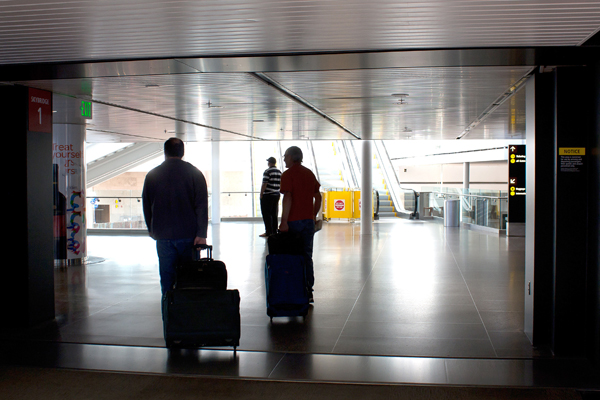
 Travel can bring excitement, fresh perspectives, and meaningful experiences. Visiting new places allows people to step outside familiar routines, connect with different cultures, and create lasting memories. However, when traveling becomes the main way someone manages stress, loneliness, anxiety, or emotional discomfort, it may be time to reconsider the role it plays in their life. Building a healthier relationship with wanderlust does not mean giving up travel. It means learning to enjoy new experiences without depending on them to feel emotionally stable.
For individuals working through addiction or mental health challenges, this distinction matters. Constantly seeking a new destination can sometimes become a way to avoid unresolved problems rather than address them. Although travel may provide temporary relief, lasting emotional wellness comes from developing healthy coping skills, meaningful relationships, and a sense of purpose that remains present wherever life takes you.
Understanding the Difference Between Wanderlust and Compulsive Travel
A strong interest in travel is not automatically a problem. Some people genuinely enjoy exploring unfamiliar places, learning about different cultures, and experiencing new environments. Healthy wanderlust can add variety and enjoyment to life.
The concern begins when traveling feels less like a choice and more like a necessity.
When Travel Becomes an Emotional Coping Mechanism
Compulsive travel can describe a pattern in which someone repeatedly seeks trips or new destinations to manage uncomfortable emotions. Rather than addressing stress, sadness, anxiety, or dissatisfaction, they may focus on planning the next getaway.
For example, someone experiencing relationship difficulties might book frequent trips to avoid difficult conversations. Another person dealing with work-related burnout may feel unable to relax unless they are somewhere far from home.
The temporary excitement of travel can make these patterns difficult to recognize. However, the underlying emotional challenges often remain when the trip ends.
It is important to understand that travel addiction is not a formal clinical diagnosis. Nevertheless, relying excessively on travel as an emotional escape can affect mental health, finances, relationships, and recovery.
Signs Your Relationship With Travel May Be Unhealthy
Consider whether any of these patterns sound familiar:
- You feel restless, anxious, or unhappy whenever you are not planning a trip.
- You frequently spend beyond your financial limits to travel.
- You avoid responsibilities, relationships, or important conversations by leaving.
- You struggle to enjoy everyday life unless you have another destination planned.
- You experience disappointment or emotional emptiness shortly after returning home.
- You use travel to avoid feelings that you find difficult to manage.
- Your travel habits interfere with treatment, recovery commitments, or personal relationships.
These signs do not automatically indicate an addiction. However, they may suggest that travel is serving an emotional purpose that deserves attention.
Why Some People Feel the Need to Keep Traveling
Understanding the reasons behind excessive travel is an important step toward changing the pattern. Often, the desire to leave is connected to emotional experiences that have little to do with the destination itself.
Anxiety and the Need for Temporary Relief
People experiencing anxiety may find comfort in the excitement of planning a trip. Researching destinations, booking accommodation, and organizing activities can provide something positive to focus on.
The change of scenery may also temporarily reduce exposure to familiar stressors. However, anxiety does not necessarily disappear when someone travels. Without effective coping strategies, the same worries can return during the trip or after coming home.
Loneliness and the Search for Connection
Travel can create opportunities to meet new people and experience a sense of belonging. For someone struggling with loneliness, these interactions may feel refreshing.
However, constantly changing locations can make it difficult to develop lasting relationships. Genuine connection usually requires consistency, trust, and time. Building meaningful relationships at home is therefore just as important as meeting people while traveling.
Emotional Avoidance and Unresolved Experiences
Some individuals use constant movement to avoid painful memories, grief, relationship difficulties, or unresolved trauma. Staying busy with new experiences may seem easier than sitting with uncomfortable emotions.
Unfortunately, avoidance rarely provides lasting relief. Difficult feelings can continue to influence decisions and behavior until they receive appropriate attention.
Mental health treatment can help individuals understand these emotional patterns and develop healthier ways to respond.
How to Enjoy Traveling Without Depending on It
A balanced relationship with travel begins by changing its purpose. Instead of using trips to escape everyday life, individuals can learn to appreciate travel as one part of a fulfilling lifestyle.
1. Understand What You Are Seeking From Each Trip
Before booking your next journey, take a moment to consider your motivation.
Ask yourself whether you want to explore somewhere new, spend time with loved ones, or take a well-deserved break. These can all be healthy reasons to travel.
However, consider whether you are trying to escape a specific feeling or situation. If you feel an overwhelming need to leave immediately after a difficult experience, pause before making travel arrangements.
Writing down your thoughts can help identify emotional triggers and recurring patterns. Over time, this practice makes it easier to distinguish genuine excitement from the urge to avoid discomfort.
2. Build a Meaningful Daily Routine
One reason travel can become so appealing is that ordinary life may feel repetitive or unfulfilling. Developing a satisfying routine can reduce the pressure to seek excitement elsewhere.
Start with manageable activities, such as:
- Maintaining consistent sleep and meal schedules.
- Making time for physical activity.
- Developing hobbies that encourage creativity and personal growth.
- Spending time with friends and family.
- Setting realistic goals for work, education, or recovery.
- Practicing mindfulness, reflection, or prayer.
These activities help create stability and give everyday life greater meaning. They also provide healthy alternatives when stress or restlessness appears.
3. Learn to Manage Uncomfortable Emotions
A healthier relationship with travel involves learning how to experience difficult emotions without immediately trying to escape them.
Mindfulness, breathing exercises, journaling, and structured relaxation can help individuals respond to stress more thoughtfully.
For example, when the urge to book an unexpected trip appears, try identifying the feeling behind it. Are you bored, overwhelmed, lonely, or worried about something? Naming the emotion can make it easier to choose an appropriate response.
If these feelings are intense or persistent, working with a qualified mental health professional can provide additional guidance.
4. Set Healthy Financial and Personal Boundaries
Frequent travel can create financial pressure, particularly when someone uses trips to improve their mood. Setting clear boundaries can help prevent travel from interfering with other priorities.
Consider establishing a realistic travel budget and planning trips around existing responsibilities. Avoid using credit or taking on debt simply to maintain a constant travel schedule.
It is also important to protect commitments involving family, work, relationships, and recovery. A healthy travel plan should complement these responsibilities rather than repeatedly disrupt them.
5. Strengthen Relationships at Home
A fulfilling life does not depend on how many destinations someone visits. Meaningful relationships provide stability, encouragement, and a sense of belonging.
Make time for regular conversations, shared activities, and experiences with people you trust. If relationships have been affected by frequent absences or emotional withdrawal, rebuilding trust may require patience and consistent effort.
Strong support networks can also help individuals recognize unhealthy patterns before they become more disruptive.
Maintaining Addiction Recovery While Traveling
Travel can introduce challenges for people recovering from substance use or other addictive behaviors. Changes in routine, unfamiliar environments, social pressure, and limited access to support can make it harder to maintain recovery commitments.
That does not mean people in recovery must avoid travel altogether. Instead, planning and preparation are essential.
Protect Your Recovery Routine
Before traveling, consider how you will maintain important parts of your recovery plan. This may include attending support meetings, following treatment recommendations, taking prescribed medication as directed, and staying connected with trusted people.
If you participate in ongoing therapy or outpatient treatment, discuss upcoming travel with your care team. They can help you consider potential challenges and make appropriate arrangements.
Recognize Emotional Triggers
Unfamiliar environments may create stress, while certain social situations can increase exposure to substance-related triggers.
Identify situations that may make recovery more difficult and decide how you will respond. Having an exit plan for uncomfortable situations can help protect your progress.
Stay Connected With Support
Do not assume that traveling means managing everything independently. Keep contact information for trusted support people and identify appropriate recovery resources before leaving.
For individuals who need more structure, an inpatient treatment program may provide a stable environment for addressing addiction and related mental health concerns. Outpatient care may be appropriate for those who can maintain recovery while continuing to manage responsibilities at home.
The right level of support depends on each person’s circumstances, treatment needs, and recovery progress.
When Professional Mental Health Support Can Help
Sometimes, an unhealthy relationship with travel is connected to deeper emotional or behavioral concerns. Persistent anxiety, depression, unresolved trauma, loneliness, or substance use may contribute to the need for constant distraction.
Professional support can help individuals understand these connections rather than focusing only on changing their travel habits.
At Rooms Cesme, individualized addiction recovery services and mental health treatment recognize the importance of addressing the challenges beneath unhealthy behaviors. Inpatient and outpatient care can offer different levels of structure and support, depending on individual needs.
A personalized treatment approach may also incorporate holistic and faith-based perspectives where appropriate. Practices that support emotional, physical, and spiritual well-being can help individuals develop a stronger foundation for lasting recovery.
Seeking help does not mean giving up the experiences you enjoy. It means learning to make choices that support your health, relationships, and long-term goals.
Create a Life You Do Not Feel the Need to Escape
Travel can remain an enjoyable and meaningful part of life without becoming the only source of happiness or relief. The goal is not to stop exploring the world. It is to develop enough emotional stability to appreciate both new destinations and the life waiting at home.
Start by examining what motivates your travel habits, strengthening everyday routines, and building relationships that provide genuine connection. If anxiety, emotional distress, or addiction-related concerns are making these changes difficult, professional treatment can help you identify the underlying issues and develop practical coping strategies.
You deserve a life that feels meaningful even when you are not planning your next trip. With the right support, you can enjoy new experiences while maintaining your independence, emotional well-being, and recovery goals. Reach out to Rooms Cesme to explore individualized addiction recovery and mental health support that can help you build a healthier relationship with yourself and the world around you.