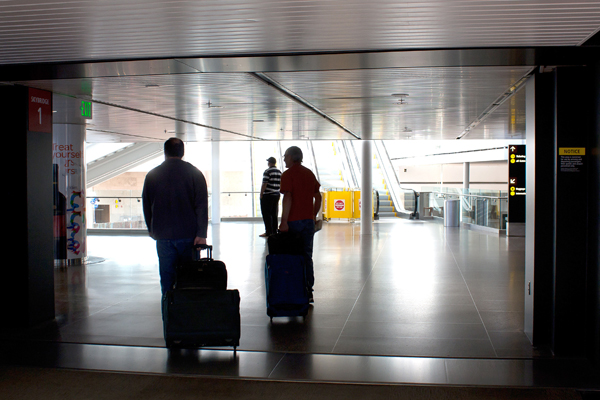
 Travel can be one of life’s most rewarding experiences. It can create meaningful memories, introduce us to different cultures, strengthen relationships, and provide a healthy break from everyday stress. However, travel can take on a different role when leaving home becomes the primary way a person manages difficult emotions. If you feel an almost constant need to get away, become distressed when you are not planning a trip, or use new destinations to avoid problems at home, it may be time to look beneath the surface. What feels like wanderlust may sometimes be connected to emotional avoidance, anxiety, unresolved pain, or other mental health challenges.
Travel addiction is not a formal clinical diagnosis. However, compulsive travel can describe a behavioral pattern in which a person feels increasingly dependent on movement and new experiences to feel better emotionally. Recognizing the difference between healthy travel and emotional escape can be an important part of understanding your mental health and, when necessary, seeking appropriate support.
When Does Travel Become an Emotional Escape?
Loving to travel does not mean there is a problem. Many people enjoy planning vacations, exploring unfamiliar places, and taking time away from their normal routines. Healthy travel generally fits into a balanced life. Work, relationships, responsibilities, finances, and emotional well-being remain manageable.
The concern begins when travel becomes less of a choice and more of an emotional necessity.
You may notice that you start planning a trip whenever something difficult happens. A stressful week at work leads to thoughts of leaving. Conflict in a relationship creates an urge to book a flight. Feelings of sadness or loneliness make another destination seem like the answer.
Travel can provide temporary relief in these situations. The problem is that relief does not necessarily resolve the underlying issue.
Healthy Travel Versus Compulsive Travel
One useful question is not simply, “How often do I travel?” Instead, ask, “Why do I feel that I need to travel?”
Healthy travel may be motivated by curiosity, rest, connection, celebration, or personal growth. Compulsive travel may be driven by a need to escape emotional discomfort.
Signs that travel may be functioning as emotional avoidance include:
- Feeling anxious or restless whenever you are home
- Constantly researching or planning your next trip
- Using travel to avoid difficult conversations or responsibilities
- Feeling emotionally low when you cannot travel
- Spending more money on travel than you can comfortably afford
- Experiencing relief while traveling but distress shortly after returning
- Finding it increasingly difficult to enjoy everyday life without a trip planned
These signs do not automatically mean that someone has a behavioral addiction. They can, however, be useful signals that something deeper deserves attention.
The Emotional Reasons Behind Compulsive Travel
Compulsive behaviors often serve a purpose, even when they eventually create problems. Travel can provide stimulation, distraction, freedom, or distance from circumstances that feel overwhelming.
Understanding that function is important because changing the behavior without addressing the underlying emotional need may leave a person searching for another form of escape.
Anxiety and Chronic Stress
Anxiety can make everyday life feel difficult to tolerate. When your mind is constantly focused on problems, a new destination can offer something else to concentrate on.
Planning flights, researching hotels, building itineraries, and anticipating new experiences can temporarily redirect attention away from anxious thoughts.
Yet when the trip ends, the anxiety may return.
If traveling repeatedly becomes your main strategy for managing stress, developing healthier coping skills can help you address the source of the distress rather than repeatedly escaping it.
Unresolved Trauma and Painful Memories
For some people, constant movement can create a sense of distance from painful experiences. Being somewhere unfamiliar may feel safer because familiar environments can bring difficult memories or emotions to the surface.
However, changing locations does not necessarily change what is happening internally.
Unresolved trauma often requires a safe and supportive environment where experiences can be explored at an appropriate pace. Professional mental health treatment can help individuals understand how past experiences affect present thoughts, emotions, relationships, and coping behaviors.
Loneliness and Emotional Disconnection
Travel can create exciting opportunities to meet people and experience new environments. For someone experiencing loneliness, that temporary connection can feel powerful.
However, constantly moving can also make it difficult to establish stable relationships.
Deep emotional connection usually develops through consistency, trust, and shared experiences over time. If a person continually moves on before relationships have an opportunity to deepen, travel may unintentionally reinforce feelings of disconnection.
Difficulty Sitting With Uncomfortable Feelings
Sometimes the problem is not a particular destination. It is what happens when there is nowhere to go.
Stillness can create space for thoughts and feelings that have been pushed aside. Without the distractions of a busy itinerary, unresolved grief, anxiety, loneliness, anger, or fear may become more noticeable.
For someone who has learned to cope by staying busy, slowing down can feel uncomfortable.
Learning to tolerate stillness does not mean forcing yourself to sit with overwhelming emotions alone. It means gradually developing healthier ways to recognize and manage those emotions with appropriate support.
Why Travel Can Feel So Rewarding
New experiences naturally capture our attention. A different environment brings unfamiliar sights, sounds, people, activities, and possibilities.
That novelty can feel especially appealing when everyday life has become emotionally exhausting.
Travel may provide an immediate change in mood because attention shifts outward. Instead of focusing on problems, you have an itinerary to follow and experiences to anticipate.
This can create a powerful association between travel and emotional relief.
The concern develops when that association becomes so strong that ordinary life begins to feel unbearable without constant stimulation. At that point, the person may not simply want to travel. They may feel that they need to travel in order to feel okay.
How Travel Addiction Can Affect Recovery
For someone dealing with addiction or mental health concerns, stability can be an important part of recovery. Treatment, supportive relationships, healthy routines, and consistent self care all contribute to emotional wellness.
Compulsive travel can interfere with these foundations.
Treatment Can Become Inconsistent
Frequent travel may make it harder to attend therapy sessions, counseling appointments, support groups, or other recovery activities.
For individuals participating in inpatient or outpatient treatment, travel plans should be considered alongside the goals and structure of their recovery program.
Emotional Work May Be Delayed
Recovery involves more than changing outward behavior. It often requires understanding triggers, emotional patterns, past experiences, and the reasons certain coping strategies developed.
If travel repeatedly provides an opportunity to avoid uncomfortable feelings, important emotional work may be postponed.
Support Systems Can Become Weaker
Recovery is often strengthened by healthy relationships and reliable support. Constant movement can make it harder to maintain connections with family members, friends, counselors, therapists, and recovery communities.
A new destination can offer temporary excitement, but lasting emotional wellness generally requires support that remains available when life becomes difficult.
How to Recognize What You Are Really Trying to Escape
If you are concerned about your relationship with travel, you do not need to immediately stop traveling. A more helpful first step may be understanding what happens emotionally before you feel the urge to leave.
Before booking your next trip, pause and ask yourself:
What Am I Feeling Right Now?
Try to identify the emotion beneath the urge. Are you anxious, lonely, overwhelmed, angry, bored, exhausted, or sad?
Putting a name to an emotion can make it easier to respond intentionally.
What Happened Before I Wanted to Leave?
Think about what triggered the desire to travel. Was there an argument? A stressful work situation? A difficult memory? A period of loneliness?
Patterns often become clearer when you examine what happens immediately before the urge.
What Do I Expect the Trip to Fix?
Be honest about what you hope will change.
If you are expecting a destination to make you feel permanently happy, eliminate anxiety, repair a relationship, or erase painful memories, the trip may be carrying more emotional responsibility than it can realistically handle.
What Other Coping Strategy Could I Try?
Instead of immediately escaping, consider whether another response could meet the emotional need.
Talking with someone you trust, exercising, journaling, spending time in nature, practicing mindfulness, praying, attending counseling, or taking a quiet break may provide support without requiring you to leave your life behind.
Building a Healthier Relationship With Travel
You do not necessarily have to give up something you love.
The goal is to create enough emotional stability that travel becomes a choice rather than a requirement.
Make Travel Intentional
Ask yourself what you want from a trip. Perhaps you want to explore another culture, spend meaningful time with family, reconnect with nature, celebrate an accomplishment, or simply rest.
These motivations can support a healthy relationship with travel.
Strengthen Your Life at Home
A meaningful recovery journey includes learning how to feel connected and grounded in everyday life.
Develop routines that support your physical and emotional well-being. Maintain supportive relationships. Make time for activities that give you a sense of purpose. Create spaces where you can rest without feeling that you have to escape.
The stronger your life becomes at home, the less pressure travel has to carry.
Get Professional Support When Needed
If travel has become a primary way of managing emotional pain, professional support can help you understand why.
At Rooms Cesme, individualized addiction recovery and mental health treatment focuses on the whole person and the emotional challenges beneath unhealthy coping patterns. Inpatient and outpatient care can provide different levels of structure based on individual needs, while holistic and faith based approaches can support emotional, physical, and spiritual well-being.
The purpose of treatment is not simply to eliminate one behavior. It is to help individuals understand their triggers, develop healthier coping strategies, strengthen resilience, and build a life that feels meaningful without requiring constant escape.
You Do Not Have to Run From What You Feel
Travel can be a wonderful part of a healthy life. There is nothing inherently wrong with wanting to see new places, experience different cultures, or seek adventure.
The important question is whether you are traveling toward something meaningful or running away from something painful.
If every difficult emotion creates an urgent need to leave, that pattern deserves attention. Emotional healing becomes possible when you can begin addressing what is underneath the urge to escape.
Recovery is not about forcing yourself to stay stuck. It is about developing the skills, relationships, and support you need to feel safe enough to remain present when life becomes uncomfortable.
Conclusion
Travel can bring joy, perspective, connection, and personal growth. But when constant movement becomes your primary way of coping with anxiety, stress, loneliness, trauma, or emotional pain, it may be time to look beyond the next destination.
Recognizing the emotional signs of travel addiction is not about judging yourself or giving up your love of exploration. It is about understanding what your behavior may be trying to communicate.
If you find yourself constantly planning your next escape, struggling to feel comfortable at home, or using travel to avoid emotions that feel difficult to face, consider reaching out for professional support. With individualized addiction recovery and mental health treatment, you can begin addressing the deeper causes of unhealthy coping patterns and develop practical strategies for lasting emotional wellness.
You do not have to stop exploring the world. With the right support, you can reach a place where travel is something you genuinely enjoy, not something you need in order to feel okay.